
Itowokashi Washi Atelier
expert: Ayumi Oe
Why washi paper making?
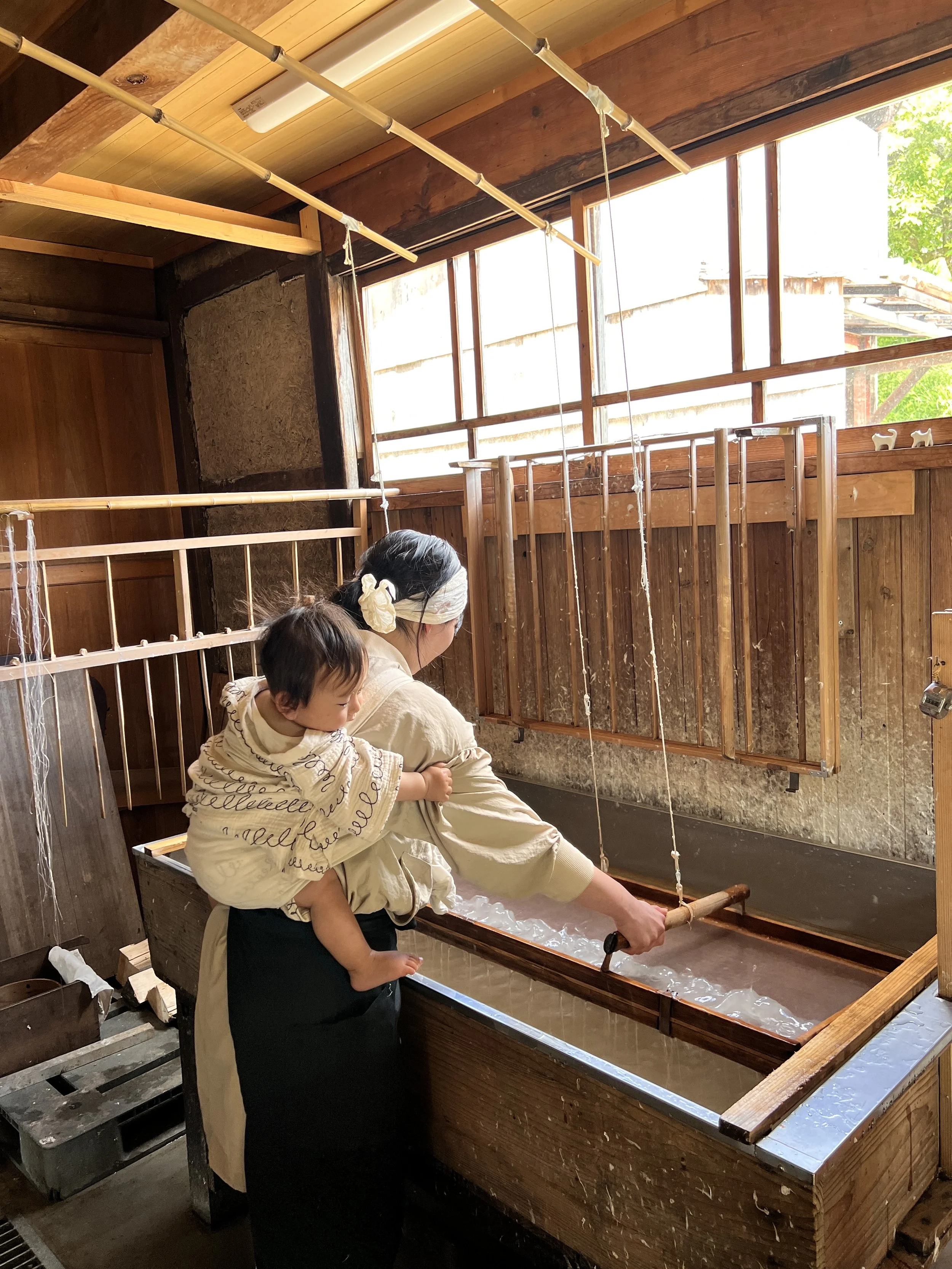
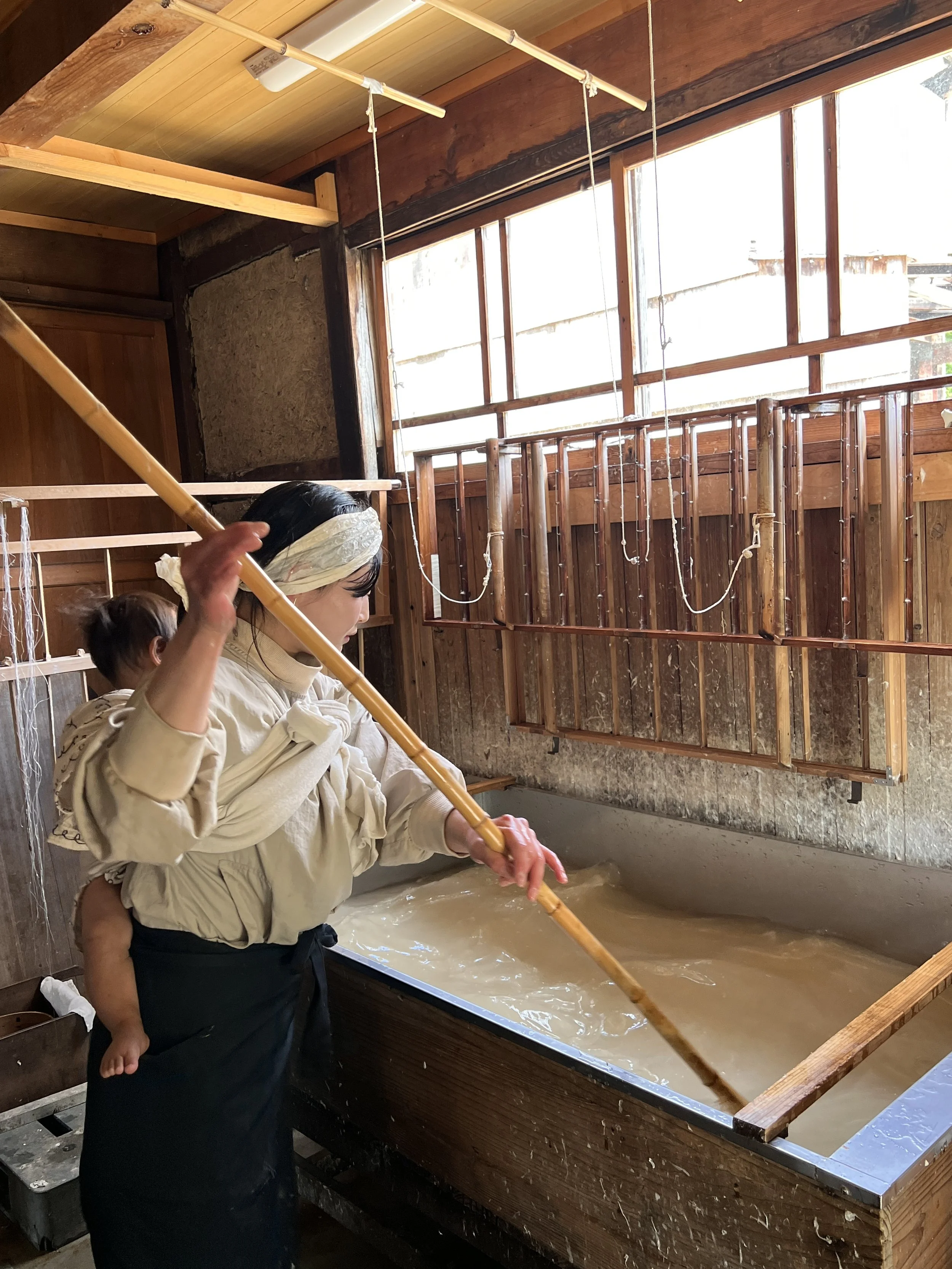
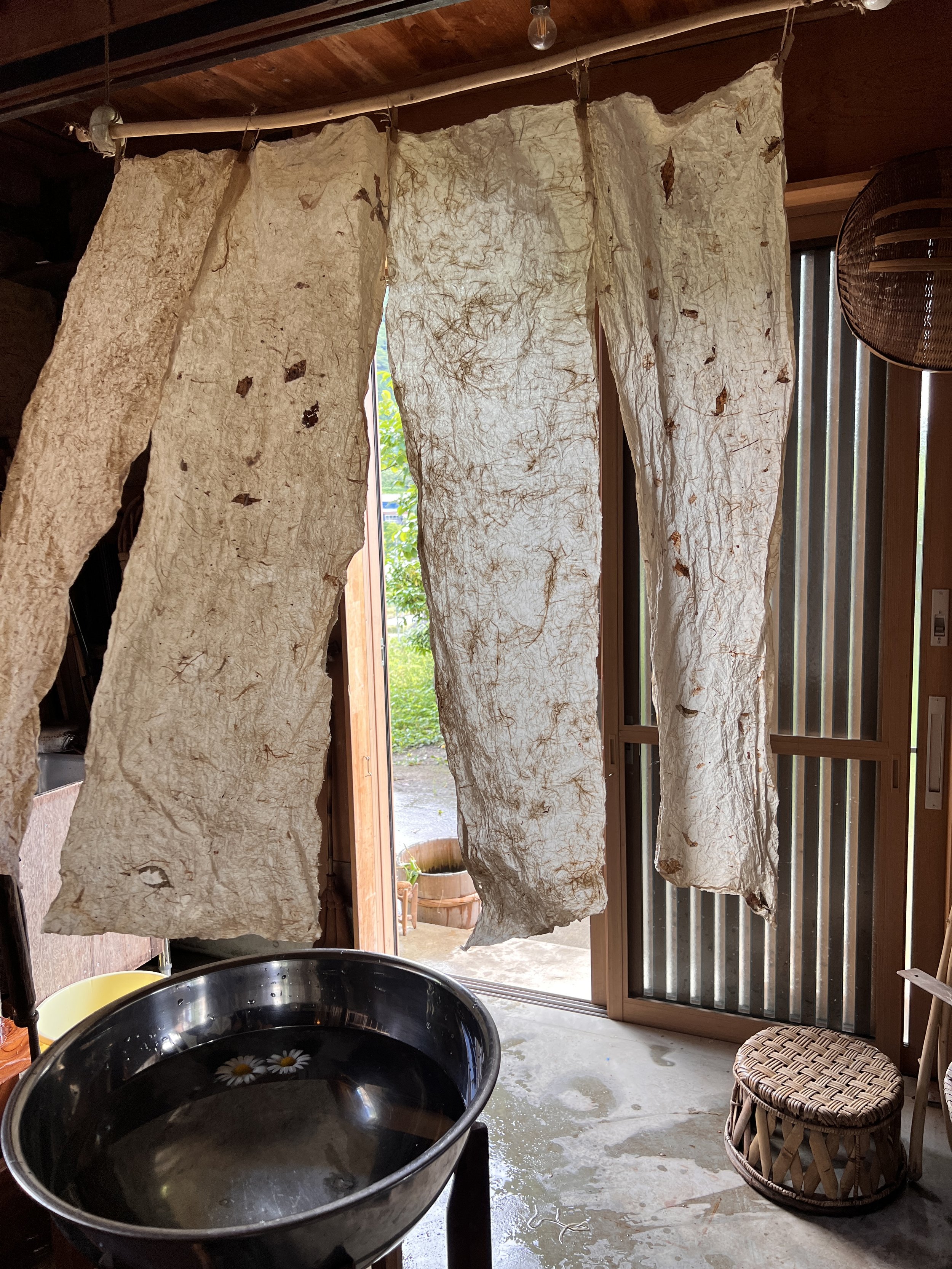
Japanese paper making has a very long history, but the number of washi makers in Japan has dropped drastically since the Meiji era. This is a beautiful heritage art, with a preparatory process that’s linked so closely to nature and the seasons. The creation stage itself is hypnotic and meditative. Washi paper is incredibly durable as well, some of which is said to last a thousand years. Will the paper outlast the tradition of paper making itself? This is definitely an art to be seen and tried in person. And while the time it takes to master the technique can often be a decade or more, visitors can still try to make their own, with the help of one of the paper experts of course.
Why washi paper in Kyoto by the Sea?
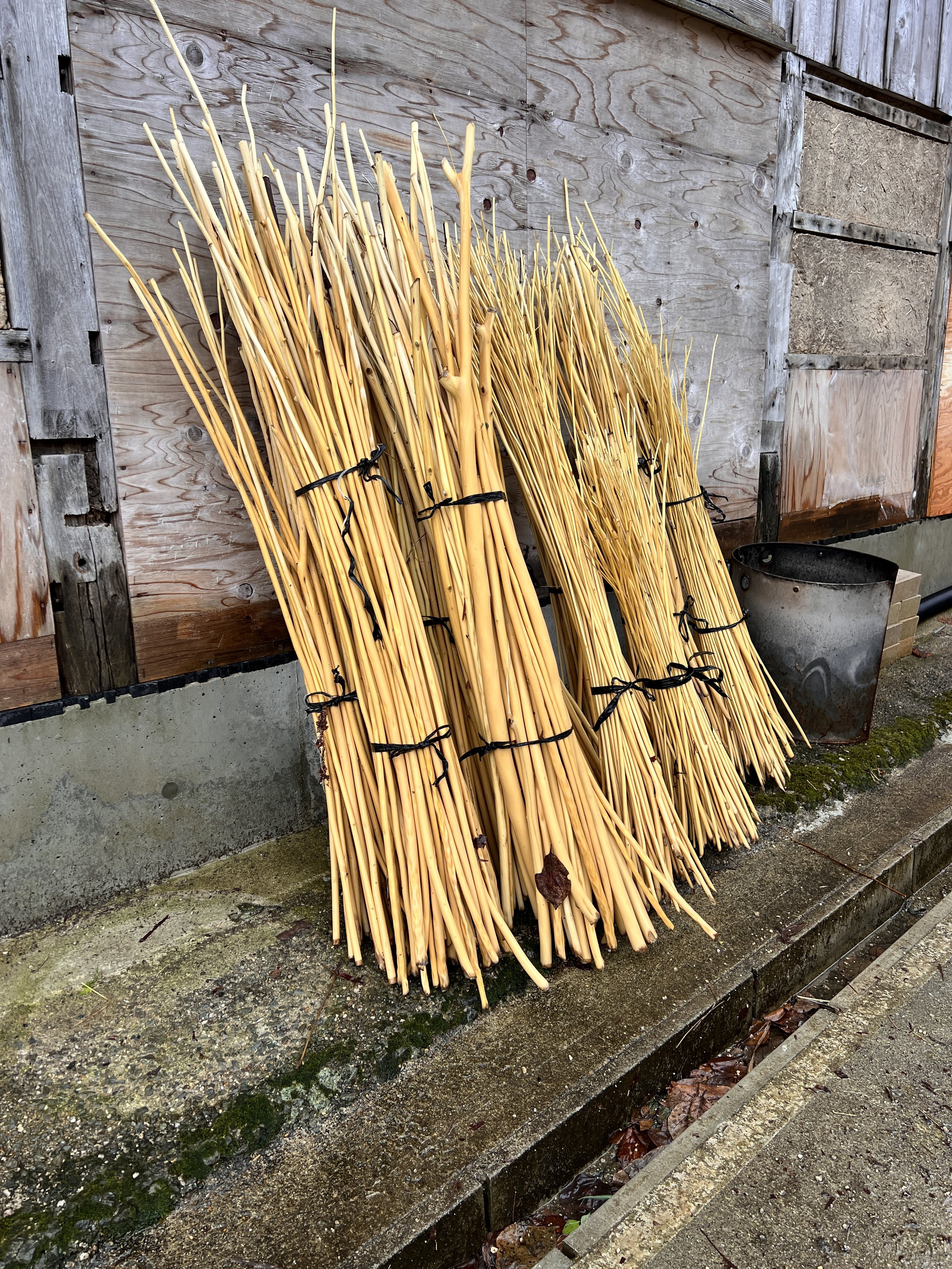
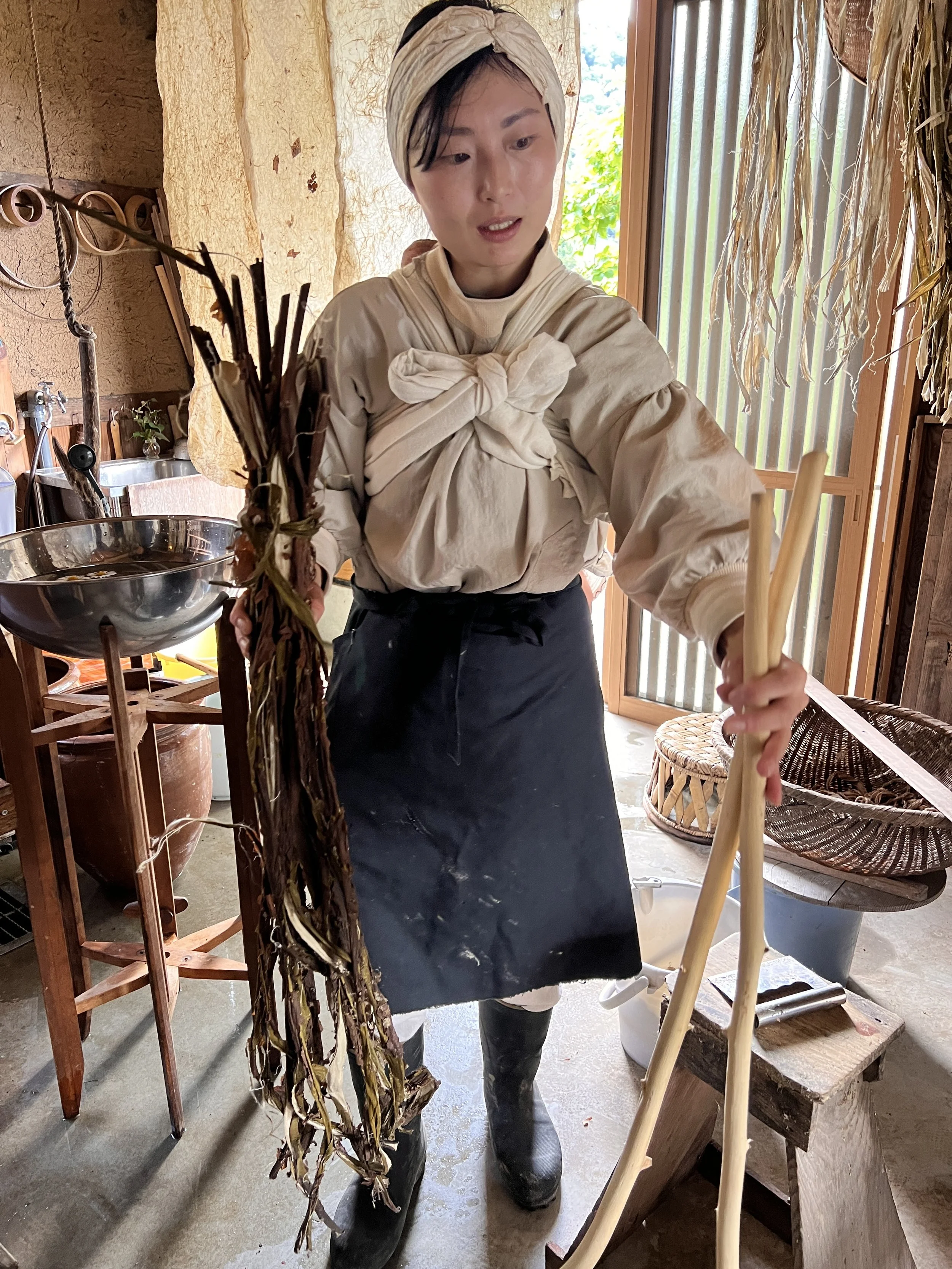
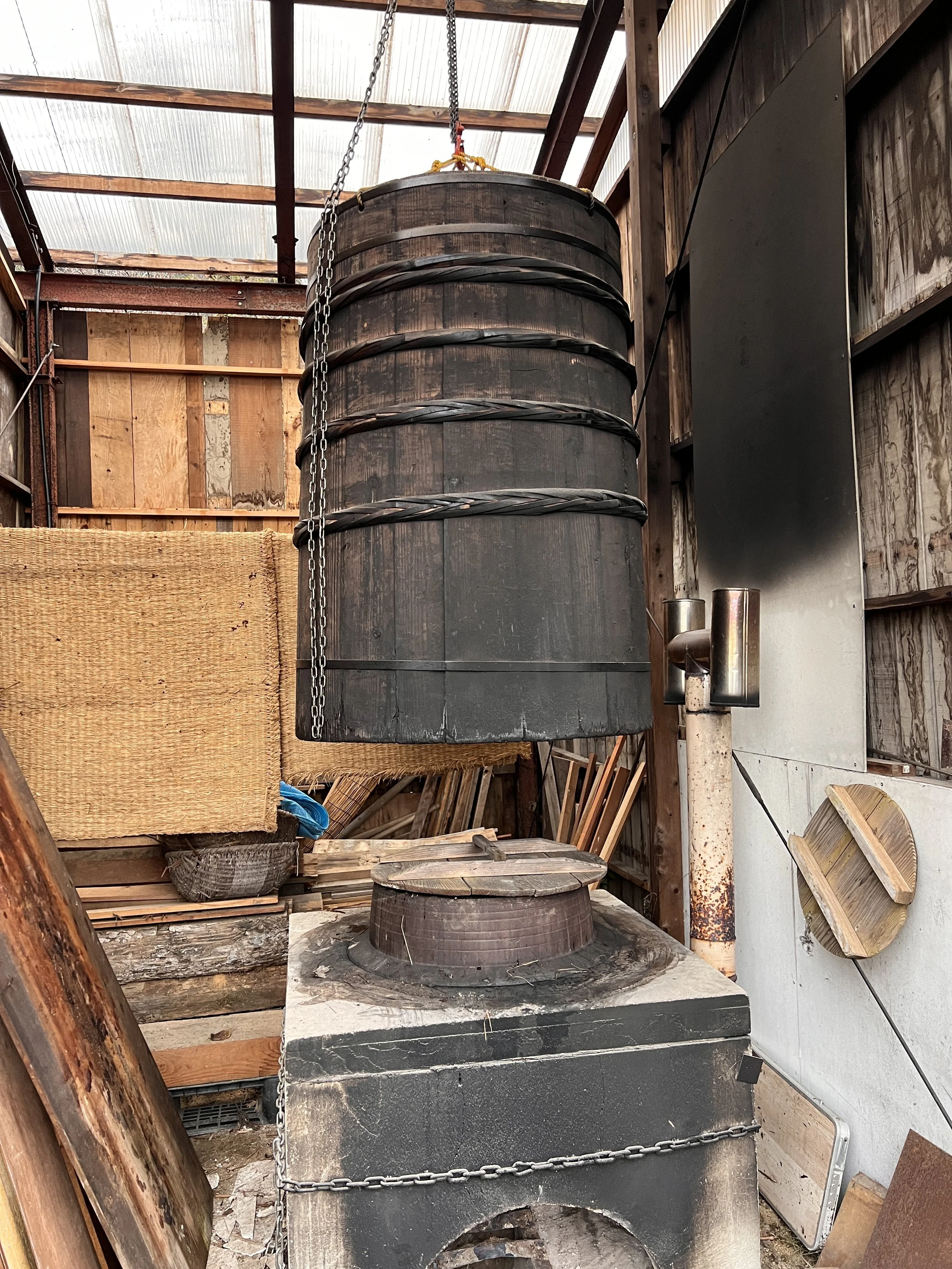
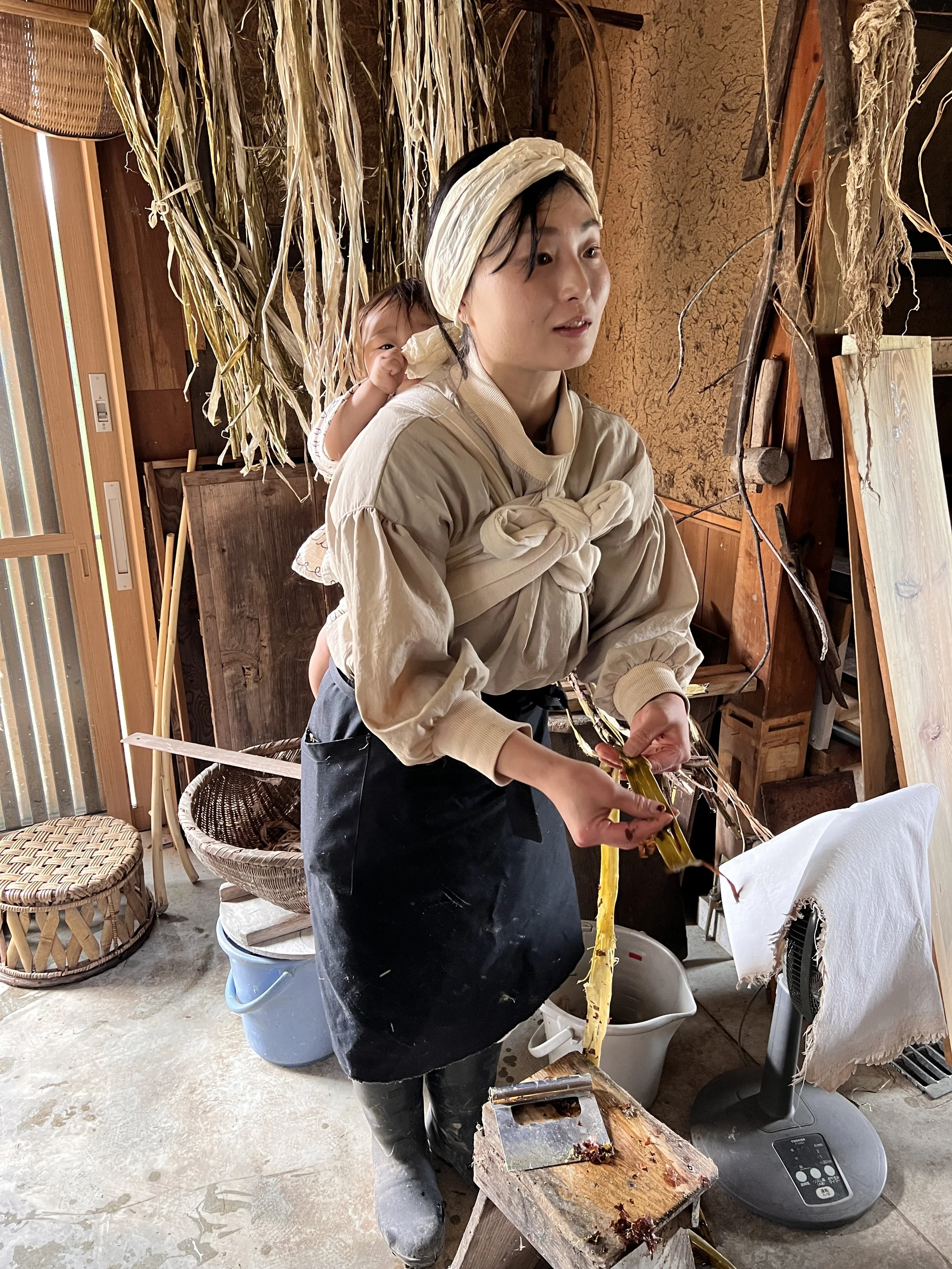
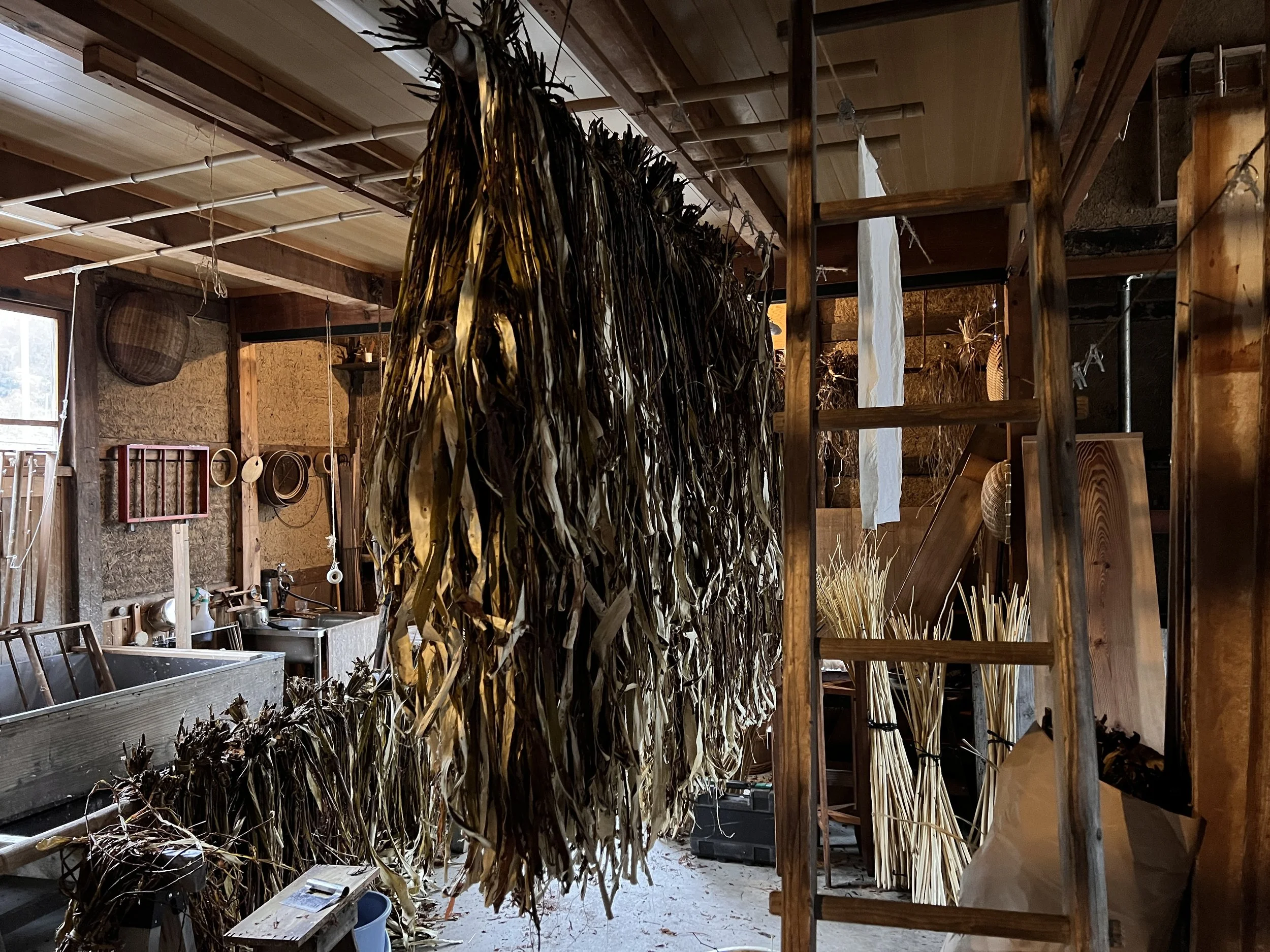
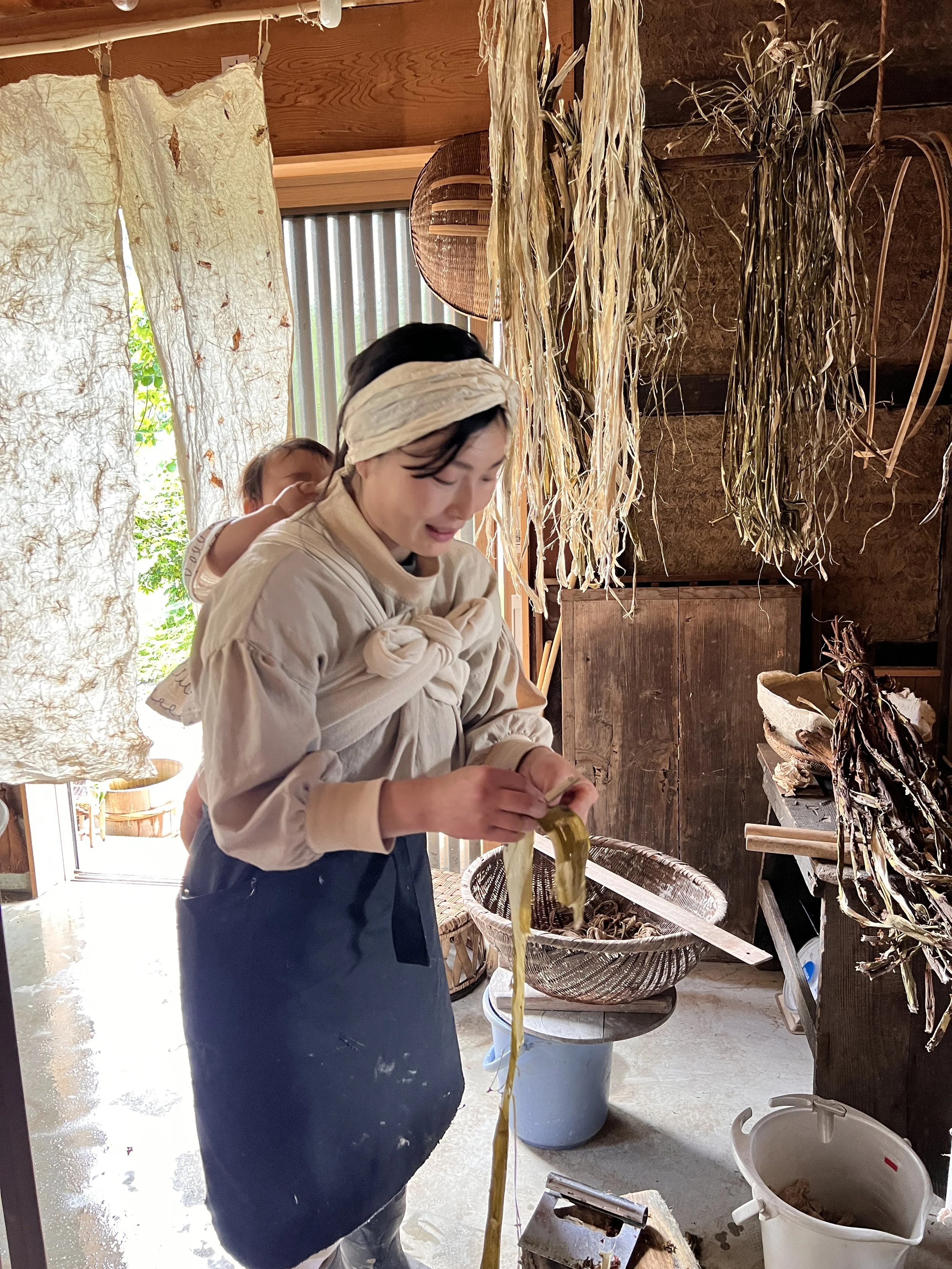
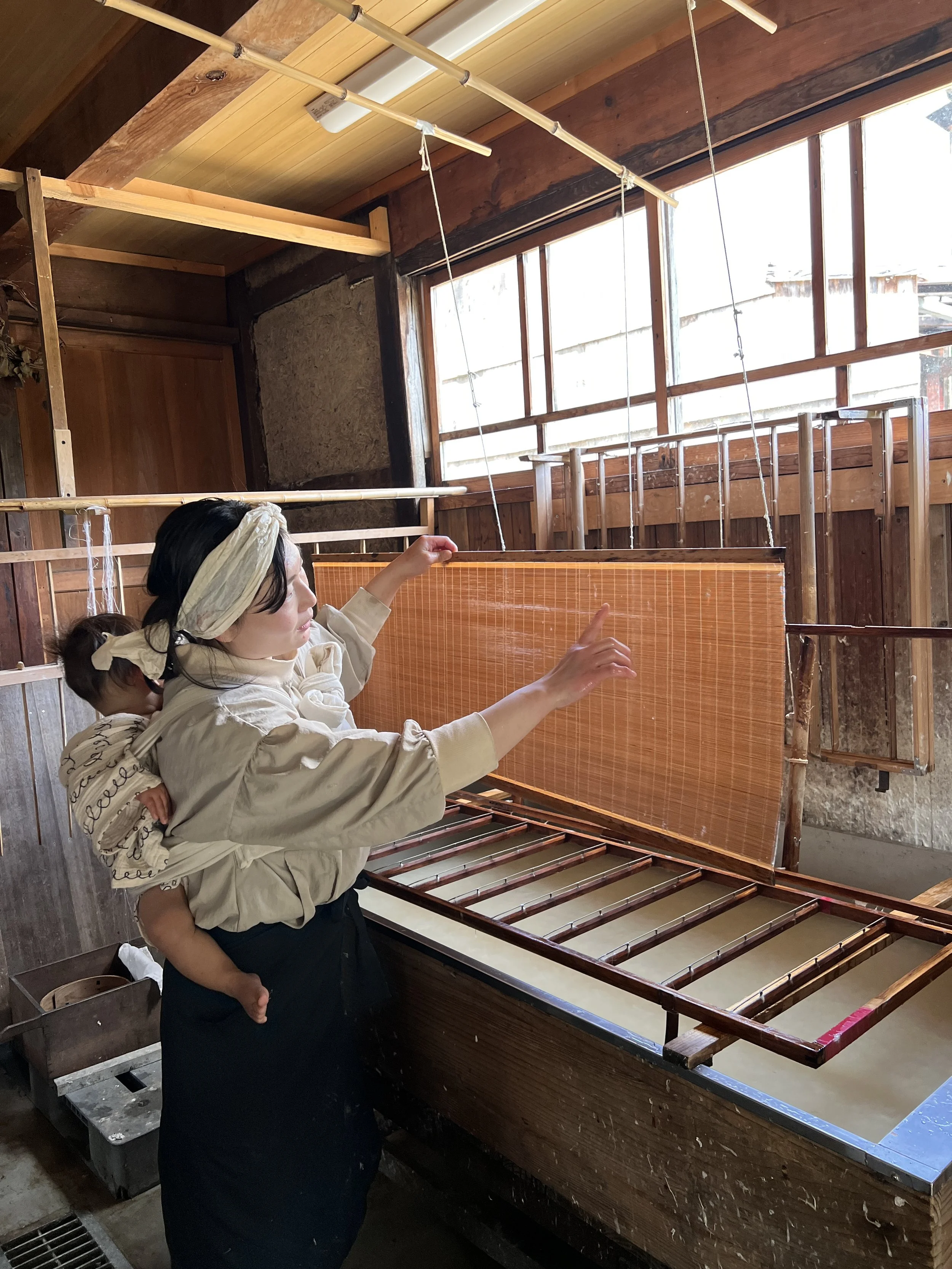
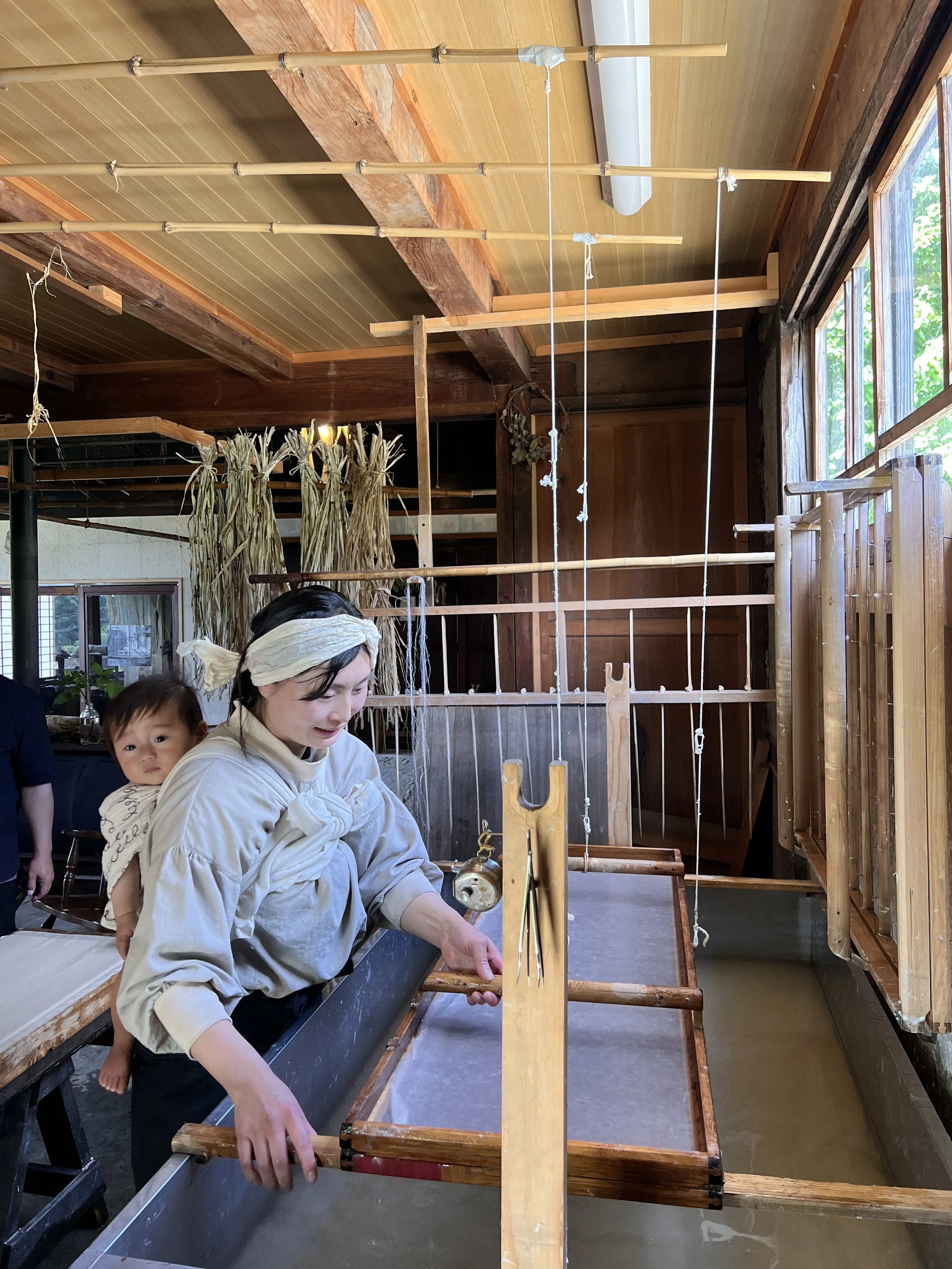
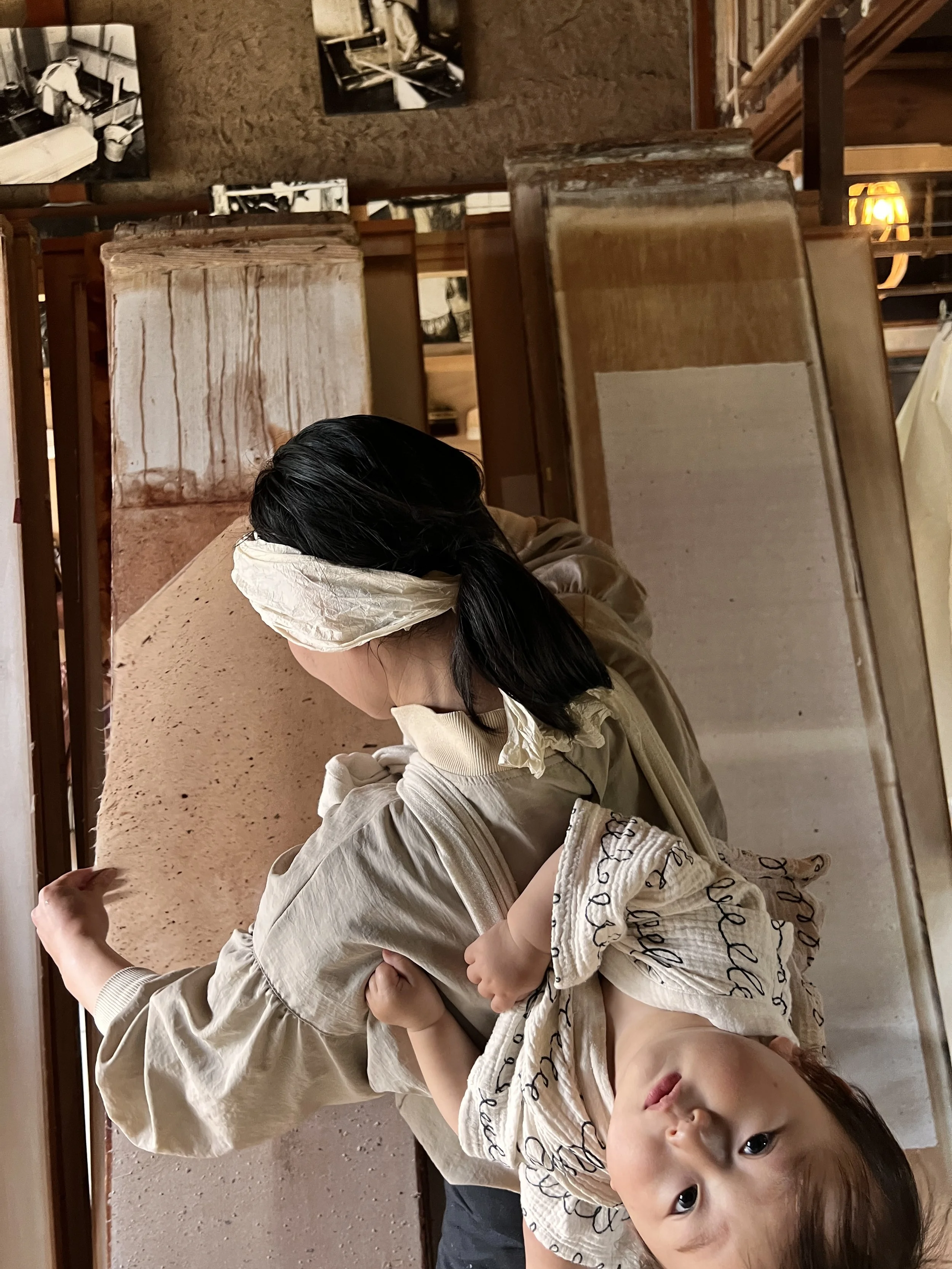
Of the numerous paper makers that once called the region home, only two remain. Both of these companies are prestigious and have been recognized as intangible cultural properties. One of the main reasons the area was such a hub of paper making is thanks to the plants needed to create the paper. Mulberry and oriental paper bush (two plants used as a base material for paper making) both thrive in this region, with its mountains and clean abundant water sources. This also explains one of the reasons why silkworms were cultivated so successfully here during the height of the silk industry, as mulberry is also a food source for silkworms. But comparatively, the process for washi making and silkworm raising are quite different. During a paper making tour, first visitors will learn about the labor-intensive process of preparing the mulberry for cultivation (without having to do any of it!). Afterwards, visitors can watch the experts at work to see how seemingly effortlessly they create the paper. Once visitors understand the process, they will be able to try for themselves. And for those who prefer the washi of the professionals, there is even a little time at the end to shop at their workshop galleries. Washi also makes an excellent gift as it is light and easy to carry in a suitcase!
About our paper maker
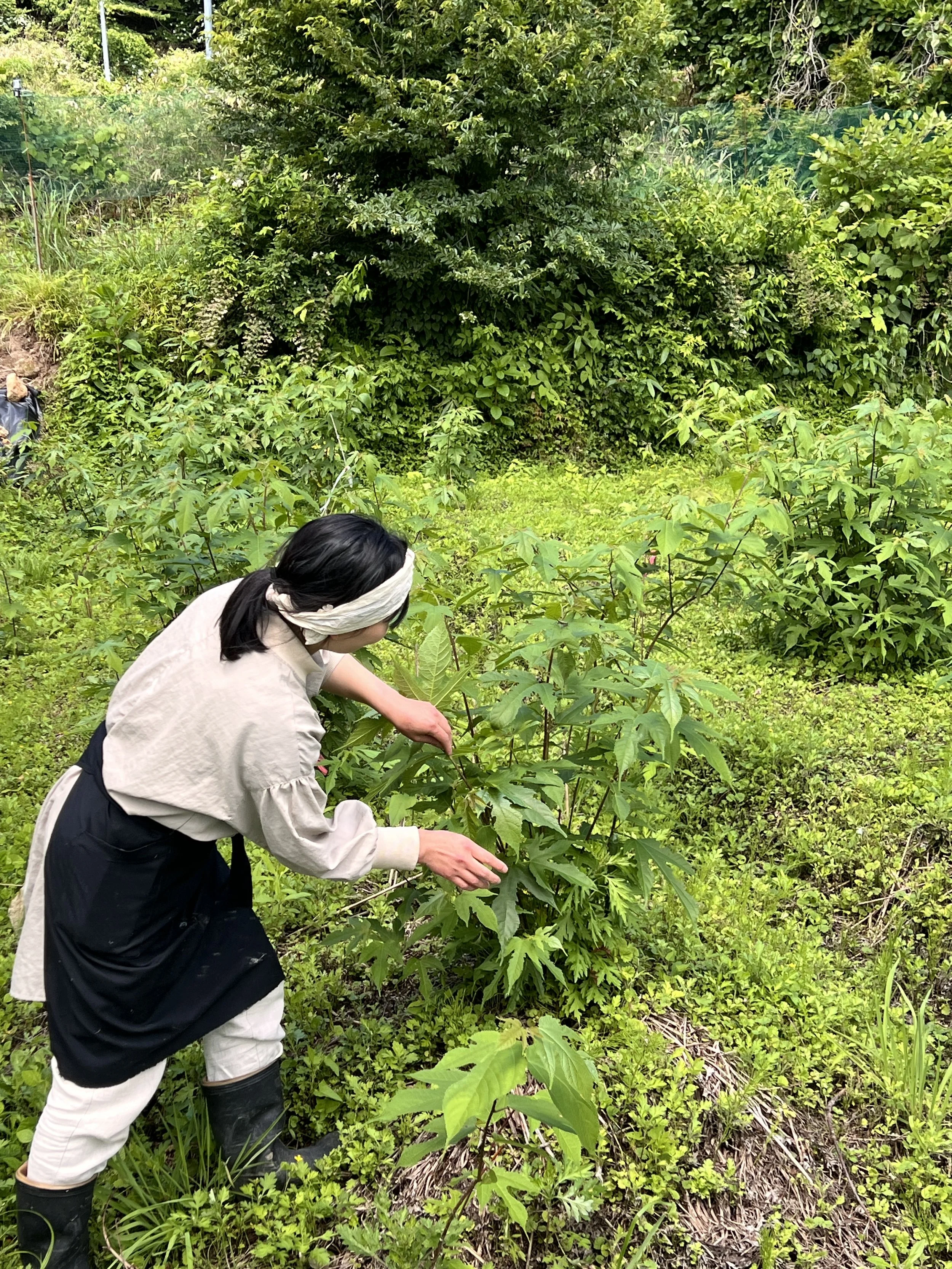
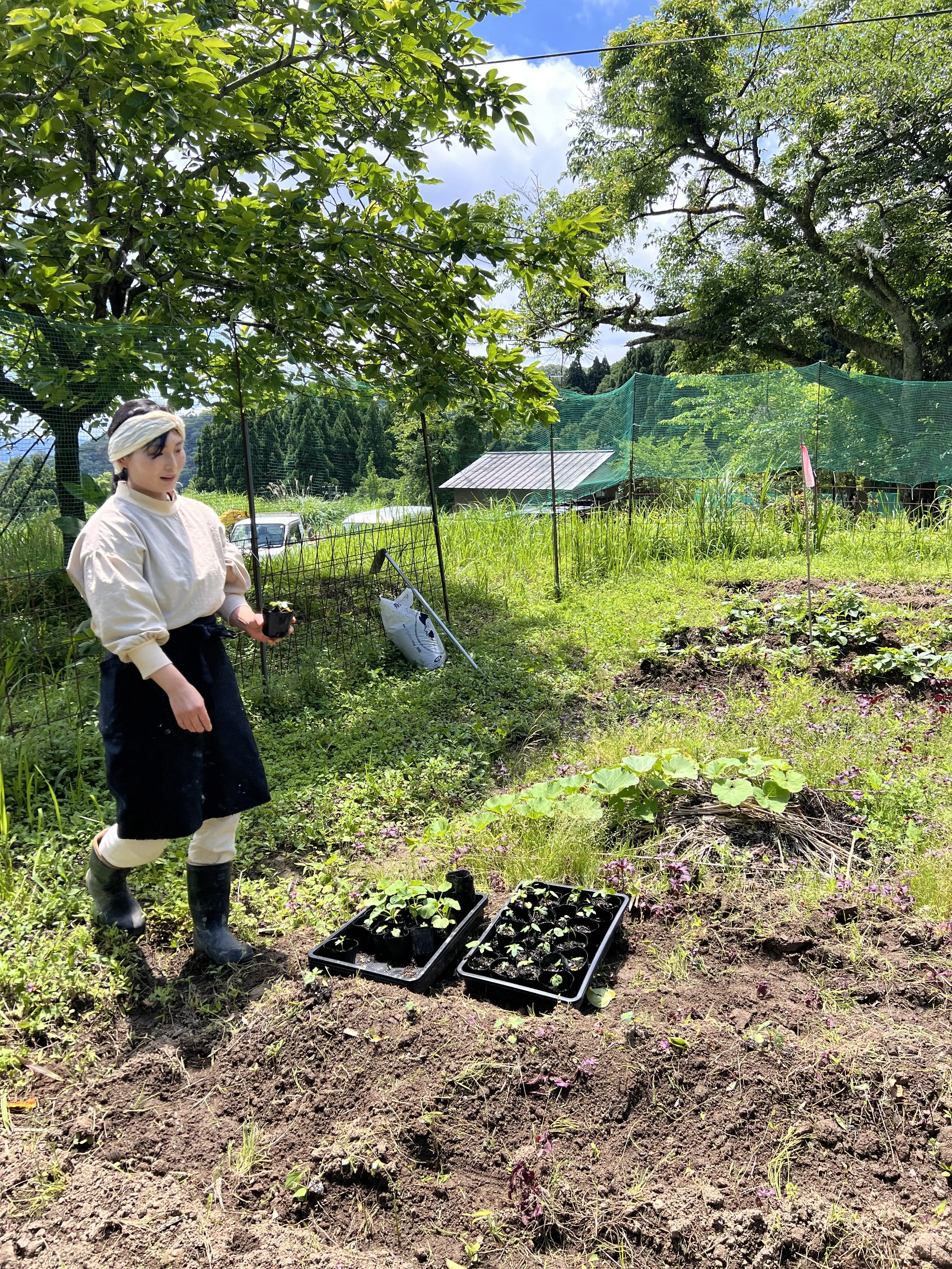
Ayumi trained under the master at Tango Washi and also learned techniques for modern paper art from one of the top artisans in Japan. She has more than a decade of experience and specifically chose the remote Kamiseya location for her atelier because of it’s incredible water quality, ability to grow her own paper mulberry and the tororo aoi root necessary for the process. She is experimental, working in materials such as cacao, coffee, tree, and even soil into her paper.
The experience is an in depth dive into the process where guests will get as hands on as they would like. The tour includes not just the atelier, but the farm area where she grows and harvests the raw materials for the art.