Tamba Lacquer & Lacquer Forest
expert: lacquer artisan & NPO lacquer harvester
Why lacquer?
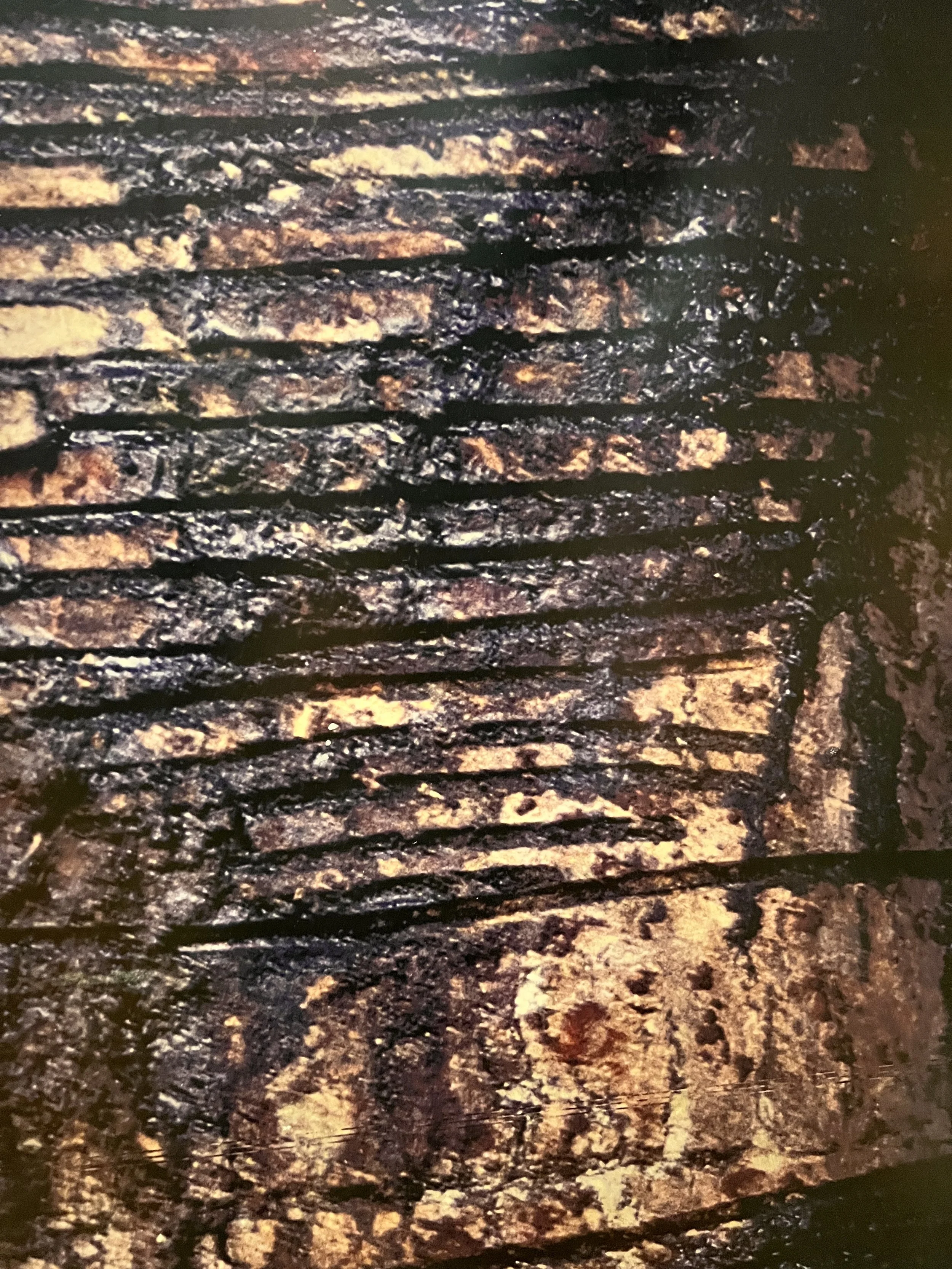
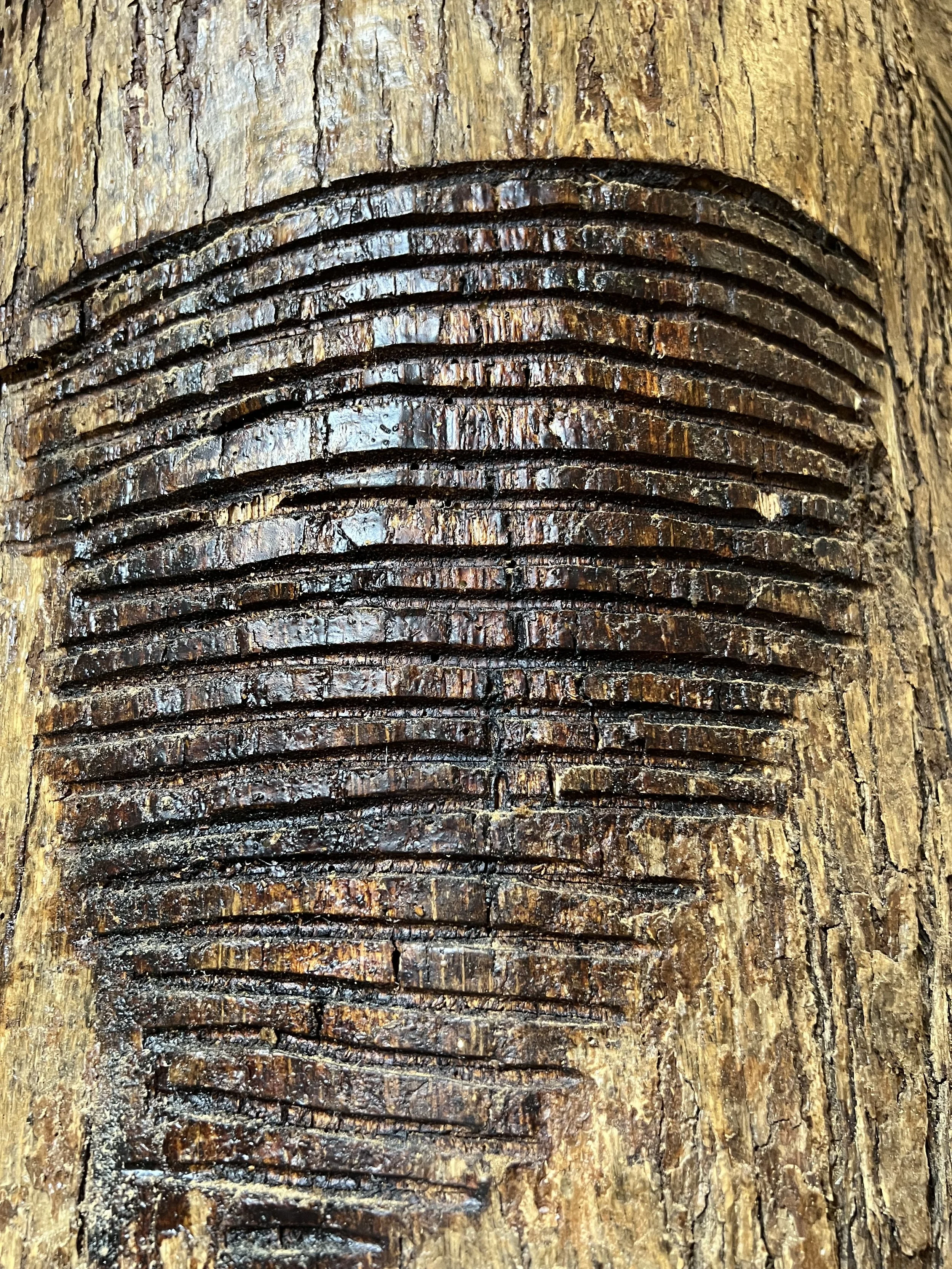
Japanese lacquerware is a centuries’ old tradition that evolved from ancient knowledge passed down from the Eurasian continent. Lacquer is a natural tree sap that can be used for a variety of uses. Resistant to moisture, heat, and anti-microbial, it has been used for waterproofing and creating foodsafe items, furniture, and tools. Its durability was widely praised and was used to reinforce armor and riding saddles. Samurai even used it to help rustproof weapons. In Buddhism and Shintoism, lacquer coating helped prevent rot in temples, shrines, and even to coat precious relics. Famously, lacquer is an integral part of kintsugi, the art of repairing pottery with goldleaf. The procurement of lacquer is extremely time-consuming, and the collection of high-quality sap is difficult. The process ultimately results in the death of the lacquer trees its being sourced from. Japanese lacquer harvesters and artisans understand the significance of this and respect the process and source of this ingredient. Japanese lacquer is known for its incredible quality. In fact, only about 5% of lacquer is Japanese lacquer, the bulk being harvested overseas. As a result most lacquerware products do not used Japanese lacquer. A very small percent will still have multiple base coatings with foreign lacquer, and only the final coat will be Japanese lacquer. And a tiny percent of lacquerware in Japan will be 100% Japanese lacquer.
Why lacquer in Kyoto by the Sea?
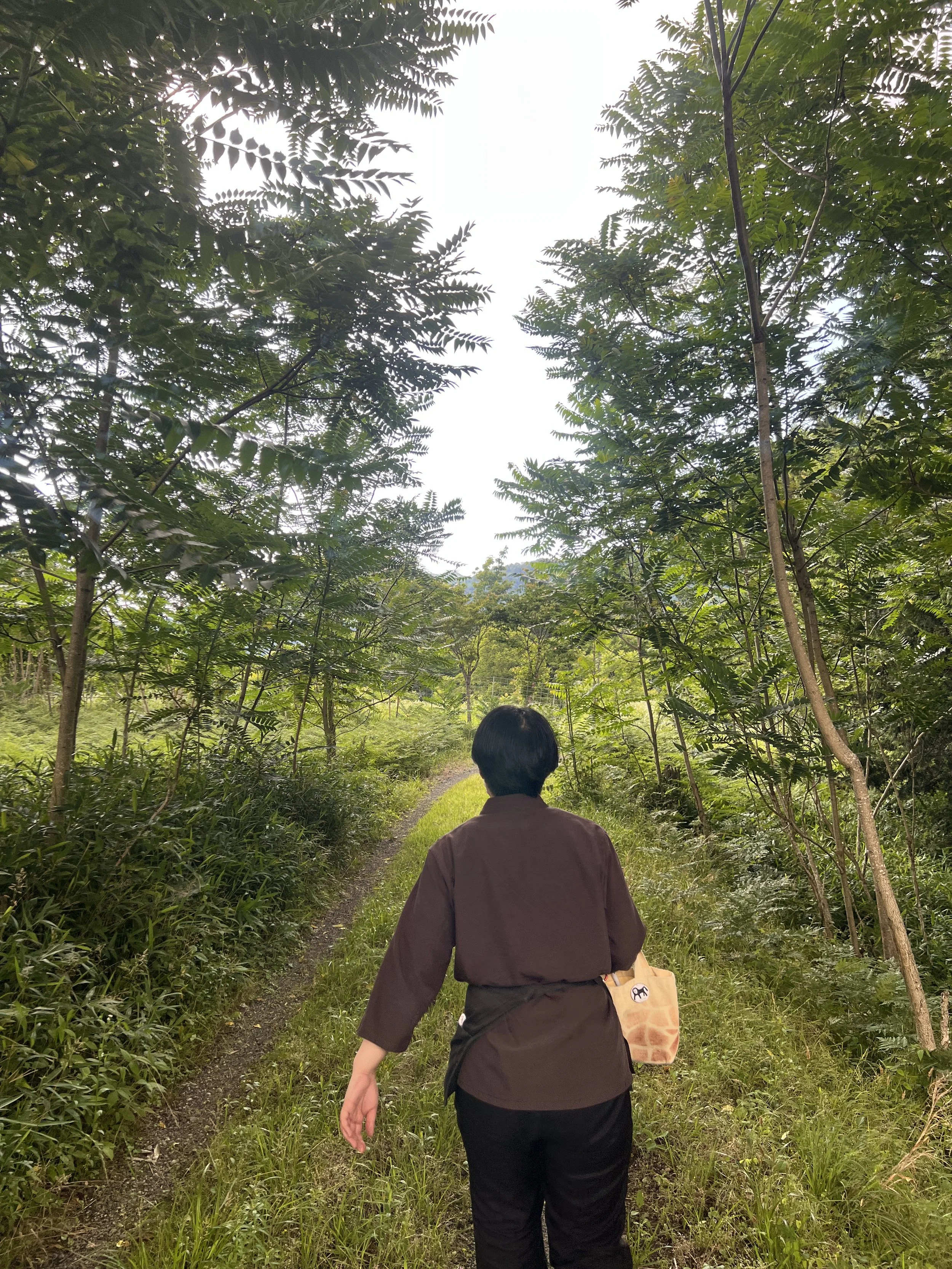
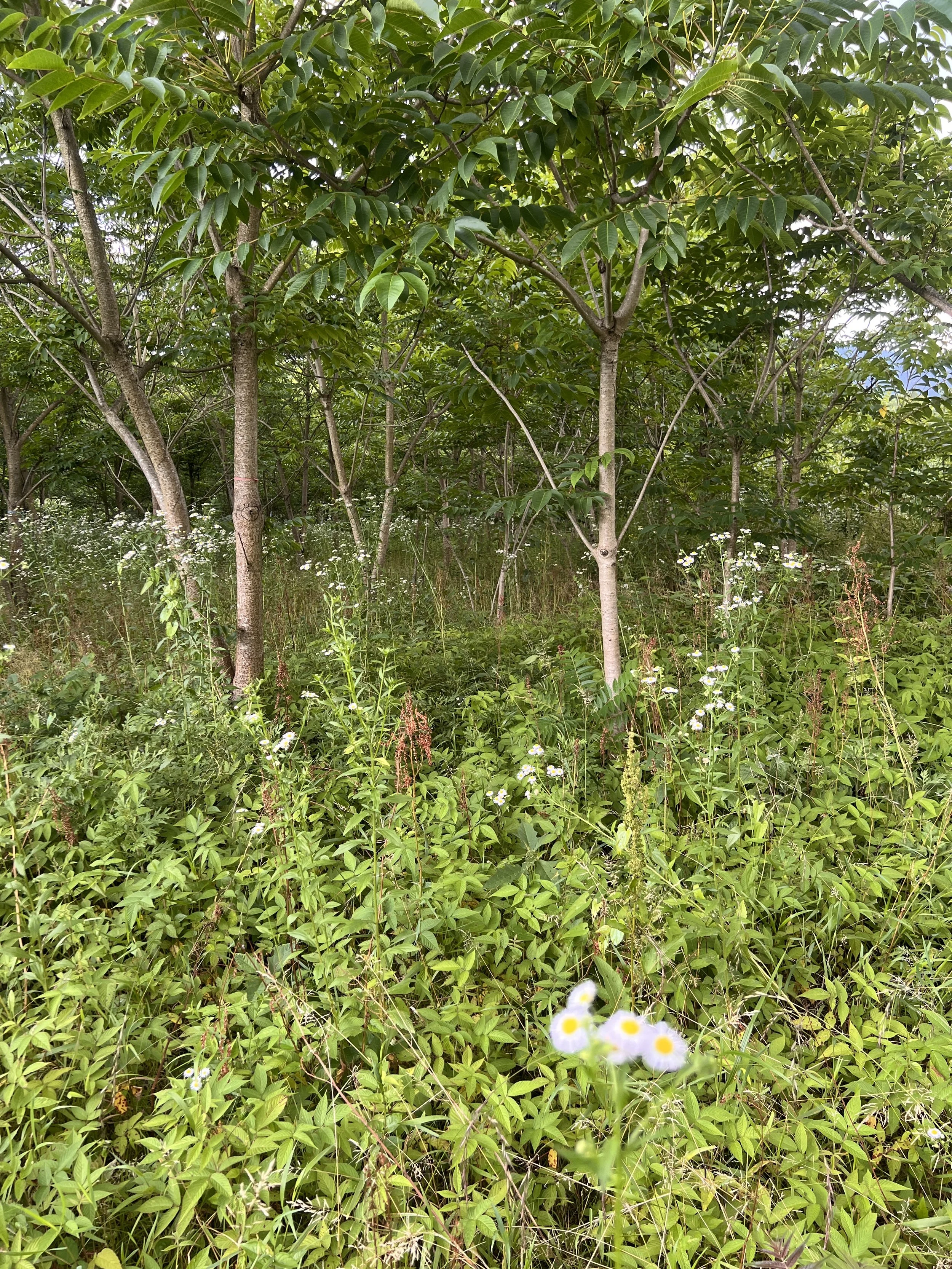
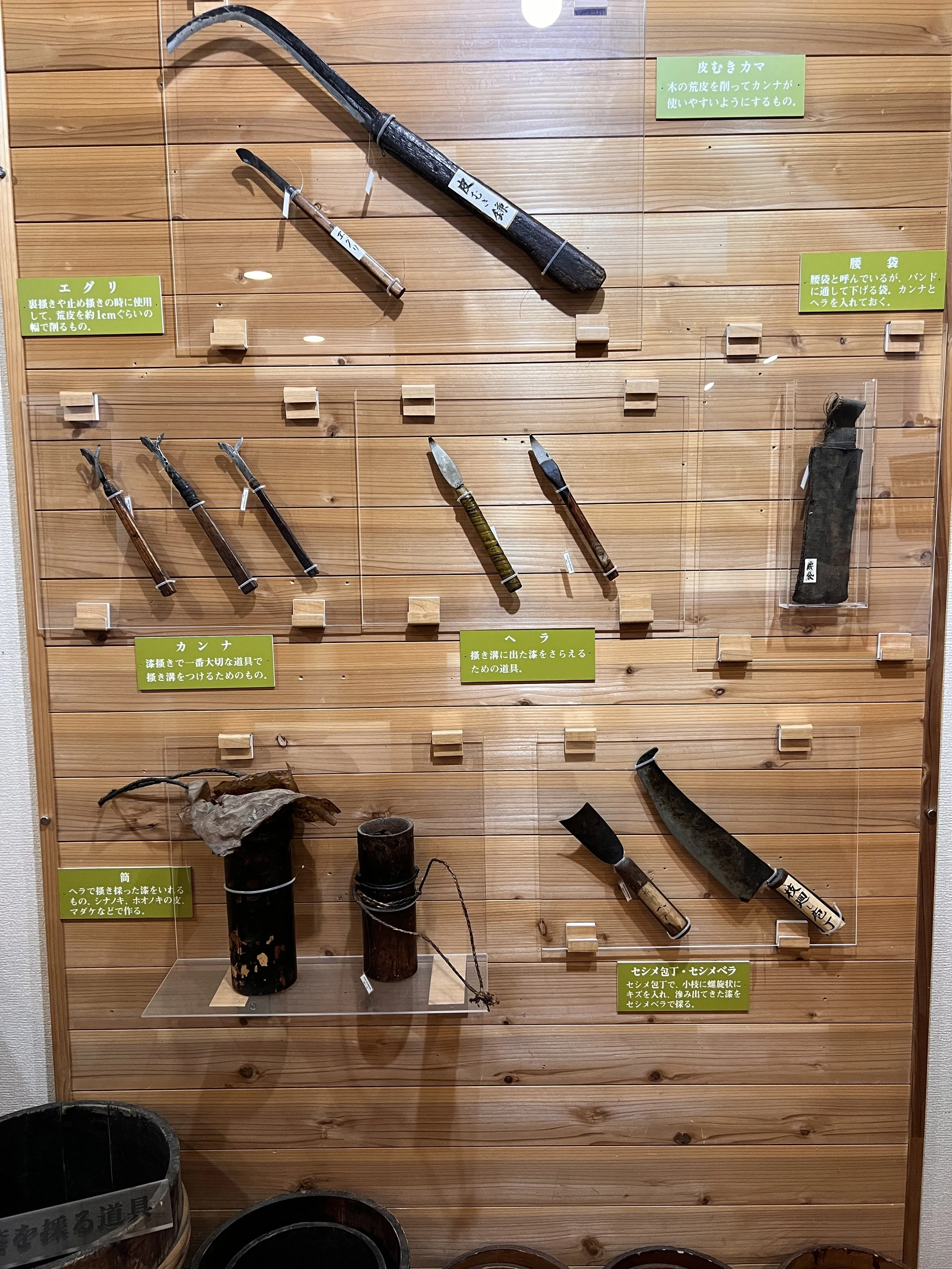
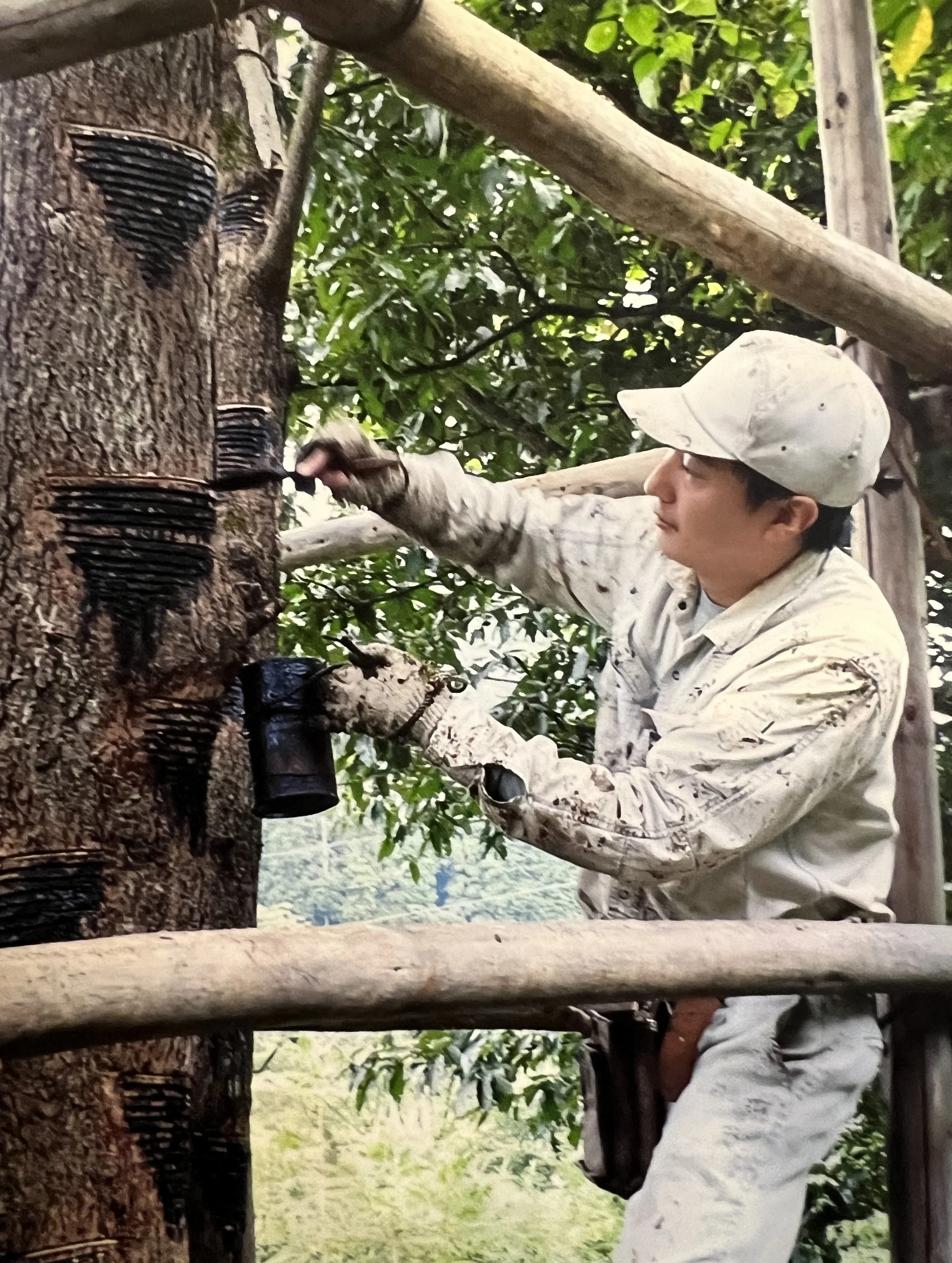
There are only about twenty lacquerware areas remaining in Japan. And within that twenty, only twelve are regrowing the lacquer forests necessary for lacquerware artisans to sustain their livelihoods. In Kyoto by the Sea, the artisans here are committed to both the heritage art and regrowing the lacquer forests. Accessible by train via Fukuchiyama Station (85 min from Kyoto Station), there is a lacquerware center that hosts workshops as well as tools and explanations on how lacquer is gathered. The workshop also includes a gallery space where they sell lacquerware products, some of which are the rarest 100% Japanese (locally sourced of course) lacquer. About 5-minutes down the road is one of the lacquer forests where an Lacquer NPO maintains the forests for future generations of lacquerware artisans.
Though not one of the biggest production centers of lacquer in Japan, the region’s lacquer is known as one of the regions with the absolute highest-quality lacquer. Artisans come from all over Japan to train and use the local lacquer.
Our experts
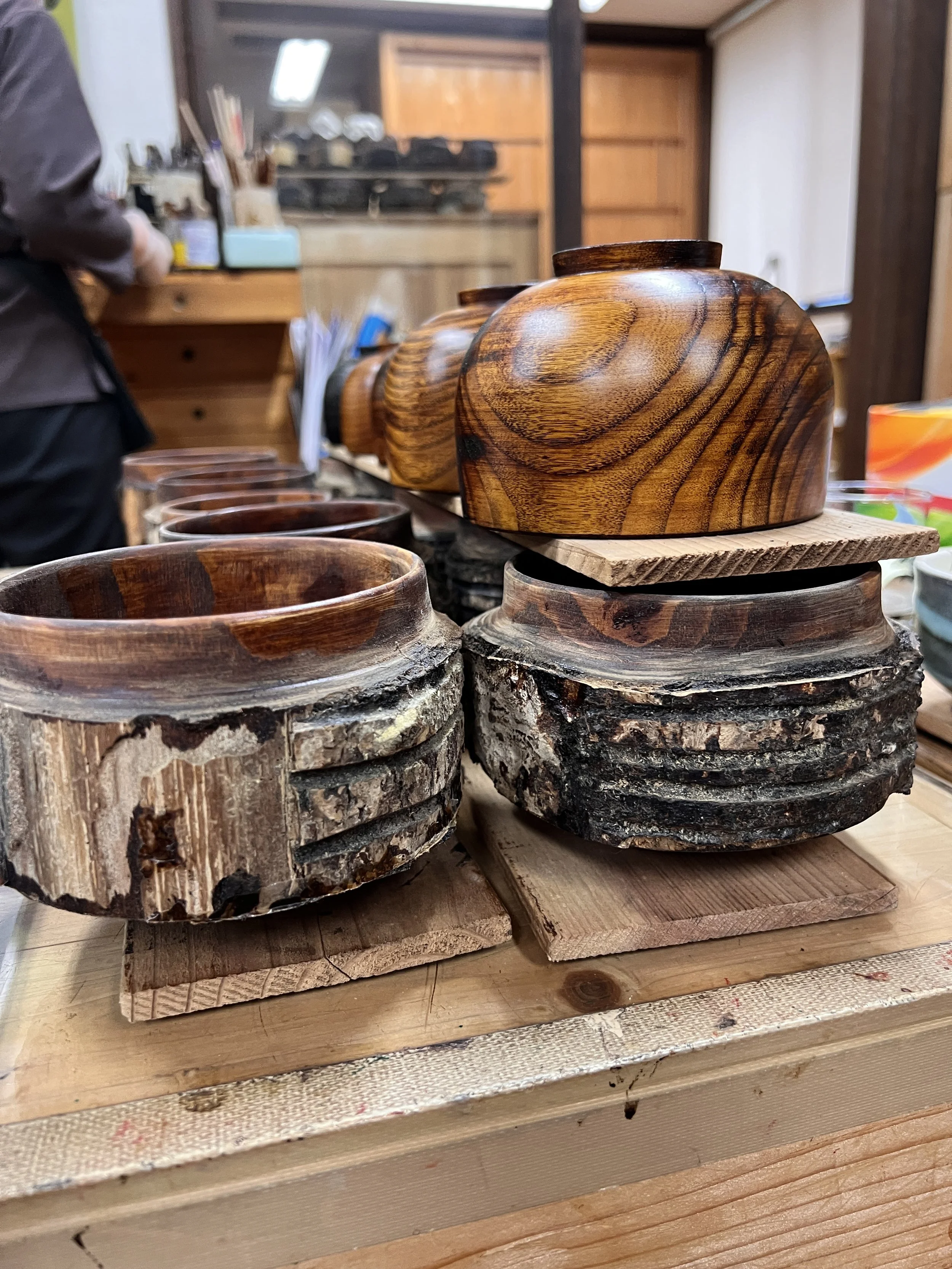
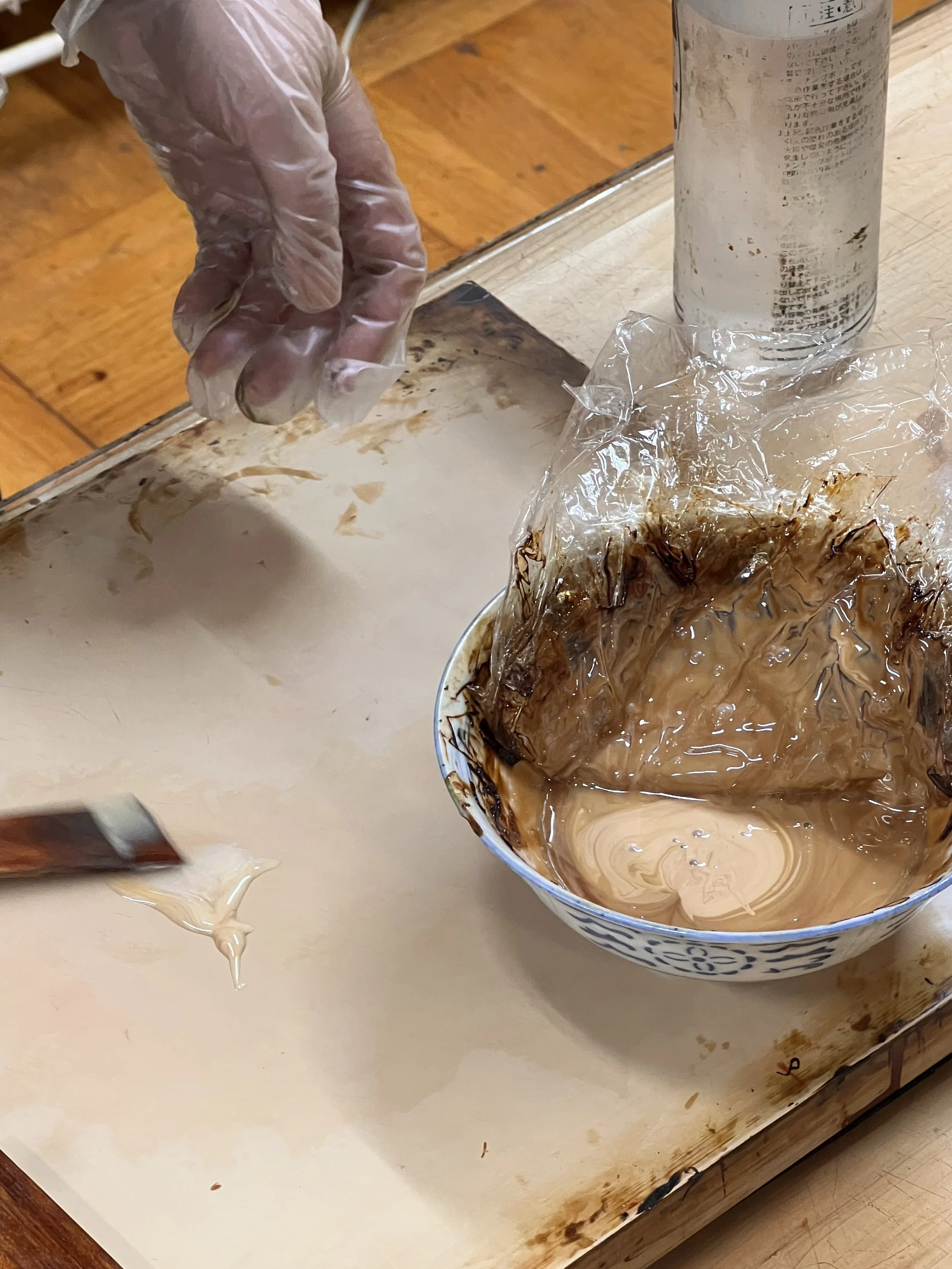
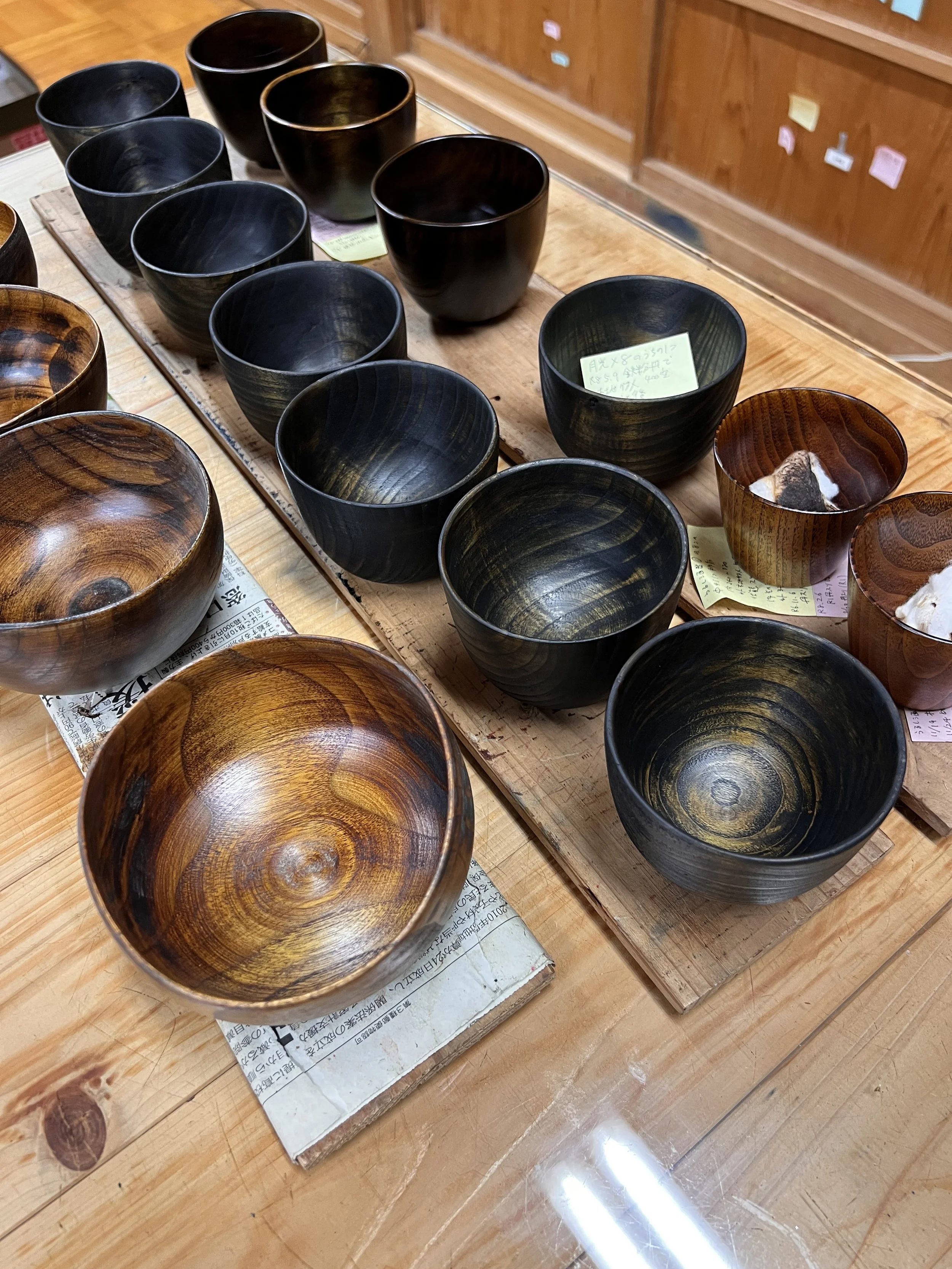
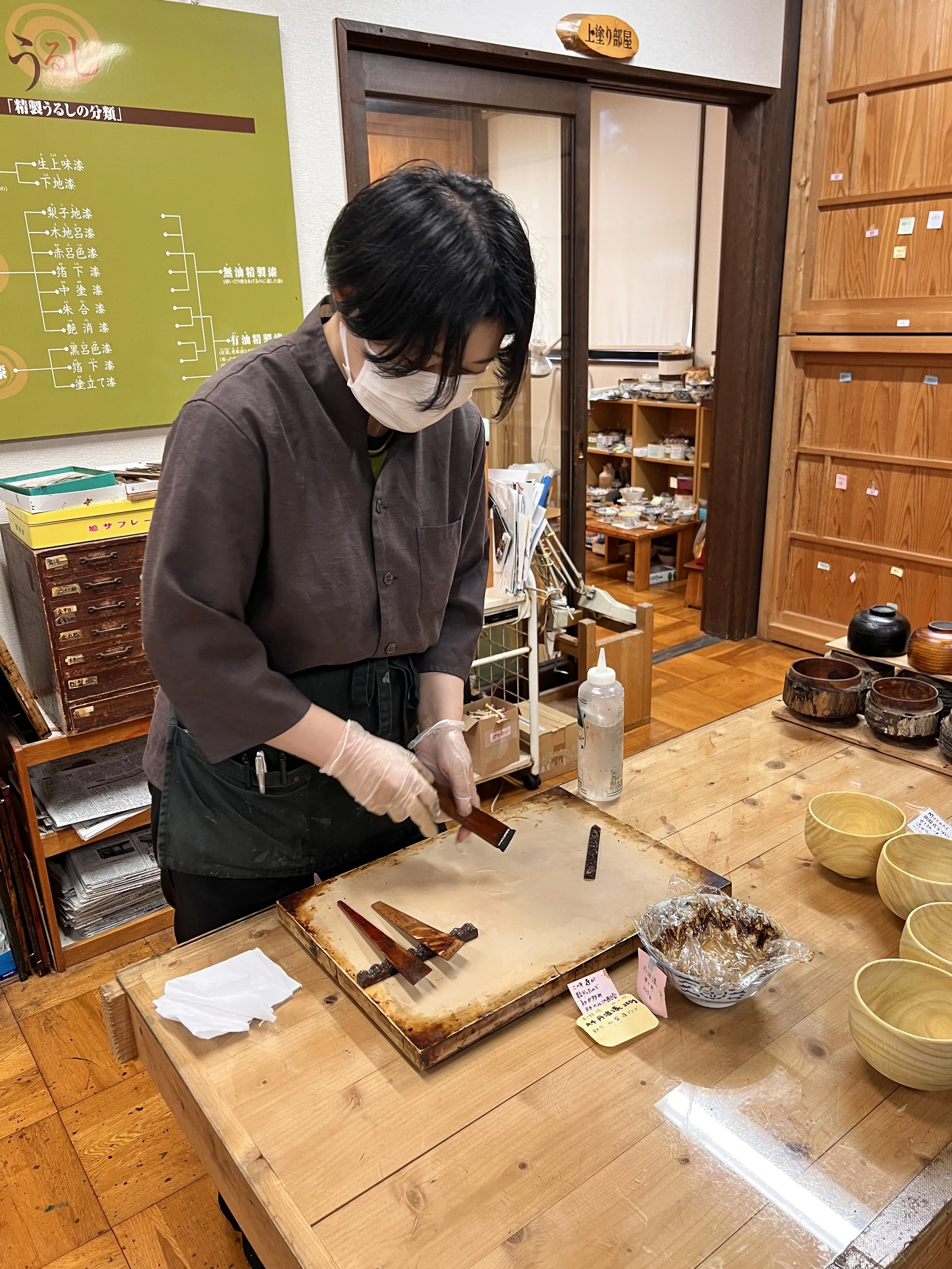
Guests will have an opportunity not only to see lacquerware artisans work, but also see where the trees are grown and how they are harvested. The visit includes the lacquer center where artifacts and tools used for lacquer are displayed, the workshop space where artisans are creating lacquerware pieces, including bowls and cups made from lacquer wood itself and then coated with lacquer. Guests will then visit the lacquer forest, maintained by the NPO and one of only a dozen locations left in Japan where trees are grown and regrown. The gallery space is also provides guests the rare opportunity to purchase 100% Japanese lacquer products.